Where the science points towards.

Backed by science.
Guided by your heart.

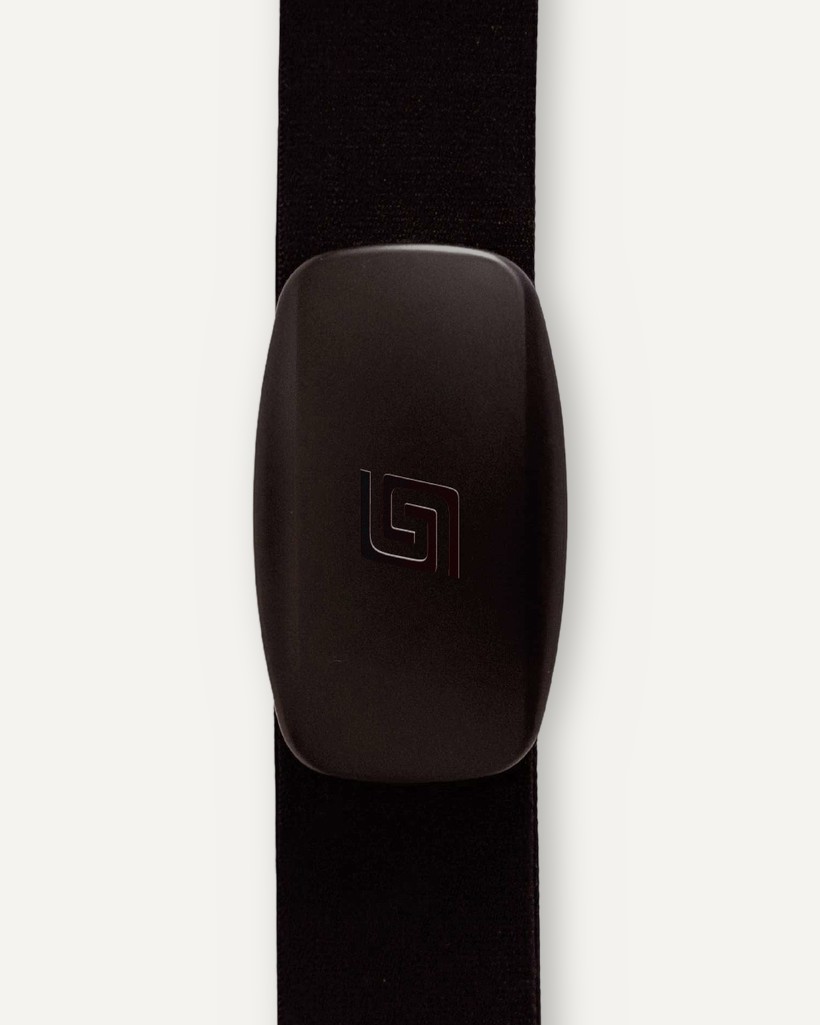
Your breath and heartbeat are deeply connected. Research shows that slow breathing can influence heart rate variability and support nervous system regulation. Samay uses precise, ECG-based heart sensing to make that connection visible, personal and part of your everyday life.

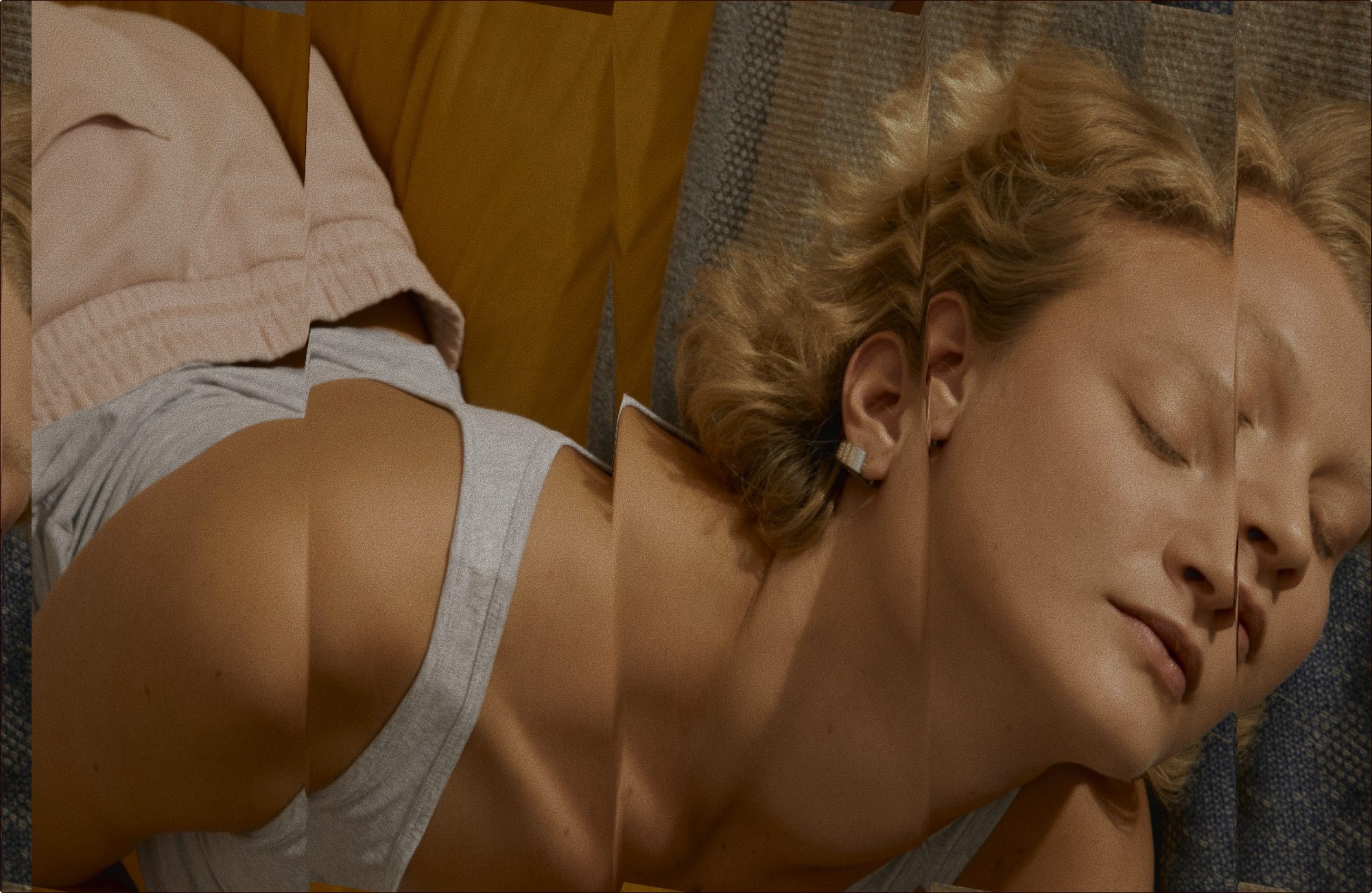
A woman resting with eyes closed, the image cut into vertical slices

One system regulates every other system.

Around 80% of the fibres in your vagus nerve carry signals from body to brain, not the other way round. That's why you can't think your way out of stress, but you can breathe your way out of it. Your breath is the one part of your nervous system you can steer on purpose.

Five minutes.
Your rhythm.

Breathing slowly at your personal resonance pace brings heart, breath and blood pressure into one wave, a state known as cardiorespiratory coherence. Within minutes the effect shows up on your heart, beat by beat. Samay makes it visible while it happens.

Heart rate variability rises

A marker of nervous system flexibility

HRV is the tiny, constant variation between your heartbeats. Higher HRV means your system can adapt: speed up when you need it, settle when you don't. Slow, paced breathing is one of the most reliable ways to raise it in the moment, and with regular practice, over time.

Vagal tone strengthens

Your built-in brake, trained

Every inhale nudges your heart rate up, every exhale brings it down. This is called respiratory sinus arrhythmia. At your resonance pace these waves grow as large as they get, exercising the vagus nerve: the brake that helps you return to calm after stress.

Heart and breath move as one

Coherence you can see

At around six breaths a minute, give or take your personal pace, heart rhythm, breath and blood pressure reflexes start to swing together. In the Samay app, your heart curve turns from restless to one smooth, regular wave.

The stress response settles

From fight-or-flight to rest-and-digest

A long, steady exhale signals safety. Heart rate slows, the sympathetic push eases and your body shifts towards recovery. Samay shows you that shift as a colour, so you know when you've arrived.

Energy, on purpose

Regulation works both ways

Regulation isn't only about calming down. Faster, activating patterns can lift you into a clear, switched-on state before training or a big moment. Samay measures what each ritual does for you, so you learn which one takes you where you want to go.

The Samay difference

Your rhythm, not an average.

Most breathing apps pace everyone at the same speed. But the rate at which your heart responds most strongly, your resonance frequency, is personal: research puts it anywhere between roughly 4.5 and 7 breaths a minute. Samay finds yours from your heart's own signals, then shapes every session around it.

  • Measured on your heartA chest ECG reads the exact time between every heartbeat. Wrist sensors and rings estimate it. Live breath guidance needs the real interval, beat by beat.
  • Paced to your rhythmSamay learns your resonance pace and adapts the guidance as your heart responds, with Samay's voice leading every breath.
  • Proven on youAfter each session you see your heart before and your heart in rhythm. Over time, Samay learns which rituals work best for you.
Coherence session0:00 / 5:00

ActivatedIn coherence

0:005:00
41HRV ms
12Coherence
72HR bpm

Illustration of a typical session

Felt, and measured

One session can already raise your HRV.*

Meta-analyses of controlled studies show that slow, paced breathing increases heart rate variability during and right after a single session, and that regular HRV biofeedback training supports emotional and physical health over time. Samay grew out of a Master of Advanced Studies thesis on biofeedback at ETH Zurich and brings this research into a daily ritual.

*Based on Laborde et al. (2022) and Lehrer et al. (2020), listed below. Individual results vary. Samay is a wellbeing tool, not a medical device.

From the lab to your daily ritual.

Decades of research on breath and heart, made simple enough to do every day.

Coherence breathingPut simply

Breathing slowly and evenly until your heart, breath & nervous system move as one.